New vs. Resale Homes in Poland: Which is Right For You?
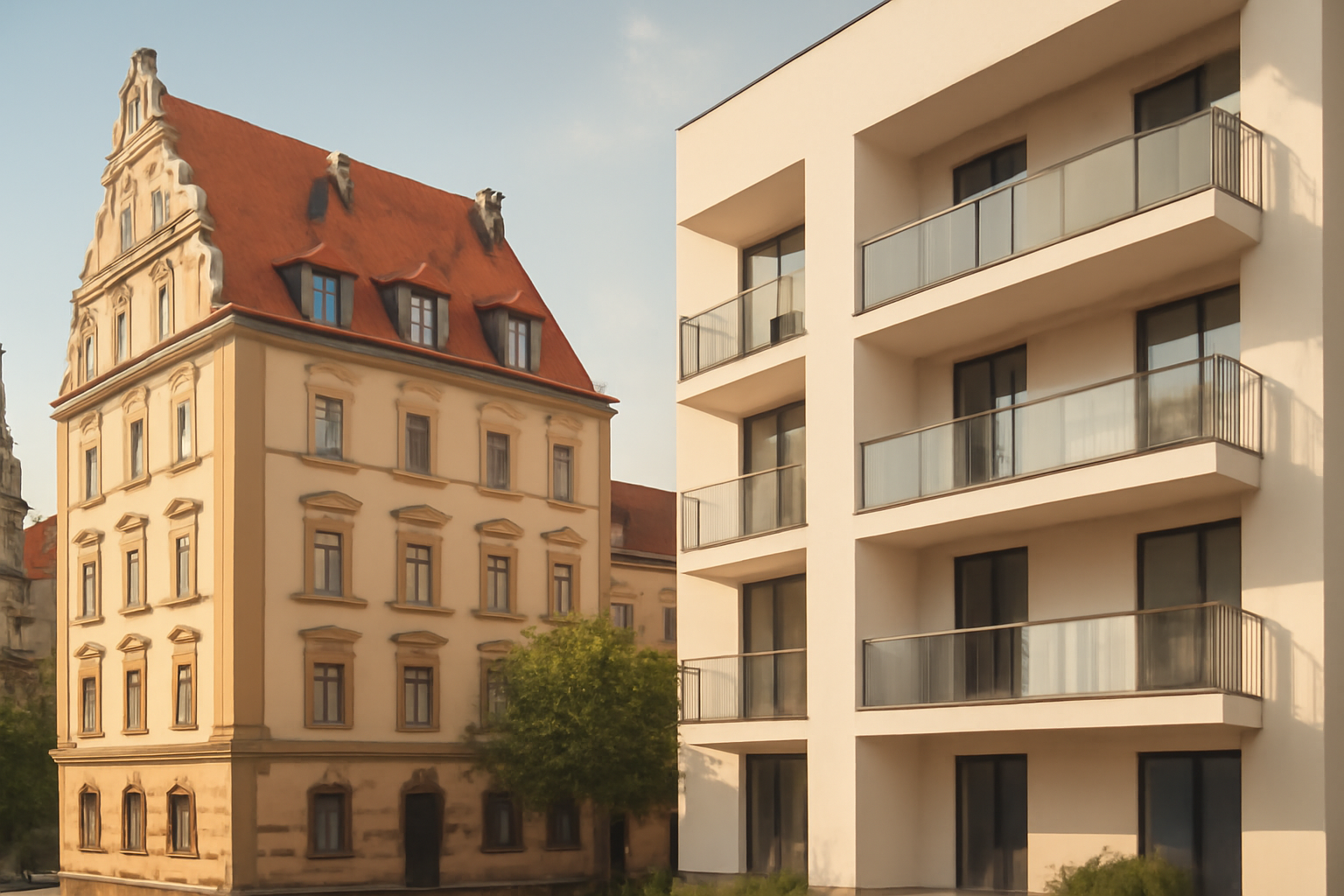
Navigating the Polish housing market? Discover the key differences, benefits, and drawbacks of choosing between new-build and pre-owned properties to make an informed decision.
New Build vs. Resale Apartments: Making the Right Choice in Poland
Moving to a new country like Poland often comes with exciting decisions, and one of the most significant is finding the perfect home. For many migrants, especially from Ukraine, understanding the nuances of the Polish real estate market is crucial. A common question we at NAVI ESTATE hear is: "Should I buy a new-build apartment or a pre-owned one?"
Both options have distinct advantages and disadvantages, and the 'better' choice truly depends on your personal circumstances, budget, and preferences. Let's break down the key differences to help you make an informed decision.
Comparison Table: New Build vs. Resale Apartments
| Feature | New Build (Pierwotny Rynek) | Resale (Wtórny Rynek) |
|---|---|---|
| Age of Property | Brand new, often under construction or recently completed | Previously owned, varying ages (from a few years to decades) |
| Condition | Immaculate, modern finishes, no wear and tear | Varies greatly, may require renovation or updates |
| Price | Generally higher per square meter, developer pricing | Often lower per square meter, negotiable price |
| Availability | New development phases, wait times for completion | Immediate occupancy, wide range of options |
| Location | Often on city outskirts or developing areas | Established neighborhoods, city centers |
| Legal Process | Purchase from developer, fewer previous owners | Purchase from individual, more complex legal history |
| Taxes/Fees | 8% VAT (in most cases), developer fees | 2% Property Transaction Tax (PCC), notary fees |
| Customization | Possible to choose finishes, layouts (during construction) | Limited (unless you renovate yourself) |
| Energy Efficiency | Generally higher, modern standards, lower utility bills | Varies greatly, older properties may be less efficient |
| Community | Developing, new community forming | Established, existing neighbors and infrastructure |
| Warranty | Developer warranty (usually 5 years) | Only for appliances (if applicable), no structural warranty |
Pros and Cons of New-Build Apartments
Pros:
- Modern Design and Comfort: New builds offer contemporary layouts, fresh interiors, and up-to-date technologies. You'll enjoy the latest building standards, often including smart home systems.
- Lower Maintenance in the Short Term: Everything is brand new, minimizing the need for immediate repairs or renovations. Developers usually offer a warranty for structural elements and installations.
- Energy Efficiency: Built to current energy-saving standards, new apartments typically have better insulation, modern windows, and efficient heating systems, leading to lower utility bills.
- Customization Options: If you purchase during the construction phase, you might have the opportunity to choose finishes, materials, and even adjust the layout to your preferences.
- Clean Legal Status: You are the first owner, meaning no hidden legal issues or liabilities from previous owners.
- Community Amenities: Many new developments come with attractive shared amenities like playgrounds, green spaces, security, and sometimes even gyms or concierges.
Cons:
- Higher Initial Cost: Generally, new apartments have a higher price per square meter compared to resale properties, plus 8% VAT (for most residential properties).
- Waiting Period: You might have to wait several months or even years for the construction to be completed, during which time you may need to rent.
- Location: New developments are often located on the periphery of cities or in rapidly developing areas, which might mean longer commutes or less established infrastructure initially.
- Uncertainty: While rare with reputable developers, construction delays or changes in project plans can occur.
- "Raw" Finish: Some new apartments are sold in a "developer's standard" state (stan deweloperski), meaning you'll need to invest significantly in flooring, painting, and equipping the bathroom and kitchen yourself.
Pros and Cons of Resale Apartments
Pros:
- Immediate Occupancy: Once the purchase is complete, you can move in almost immediately, making it ideal if you need housing quickly.
- Established Locations: Resale properties are often found in well-established neighborhoods, close to city centers, public transport, schools, and shops.
- Variety and Character: You'll find a greater diversity of architectural styles, apartment layouts, and unique features, offering more character than often standardized new builds.
- Negotiable Prices: The price of a resale apartment is often more negotiable than a new build, and you might find hidden gems or opportunities for a good deal.
- Lower Property Transaction Tax (PCC): You'll pay a 2% Property Transaction Tax on the market value of the property, which can be less than the 8% VAT on new builds, depending on the property's value.
- Known Neighbors and Community: You can get a sense of the neighborhood and your potential neighbors before buying.
Cons:
- Potential for Renovation: Many older properties require updating or complete renovation, which adds to the overall cost and time commitment.
- Unexpected Repairs: Older buildings might have hidden issues with plumbing, electrical systems, or insulation that could lead to costly repairs.
- Less Energy Efficient: Older properties, especially those not recently renovated, tend to be less energy-efficient, resulting in higher utility bills.
- Outdated Design: The interior design and layout might not suit modern tastes, requiring substantial changes.
- More Complex Legal History: While NAVI ESTATE carefully checks all legal aspects, older properties inherently have a longer chain of ownership and potential historic legal complexities.
- Competition: Desirable resale properties in prime locations can attract multiple buyers, leading to competitive bidding.
Recommendation for Different Buyer Profiles
For the First-Time Buyer or Those Seeking Modern Comfort:
If your budget allows, and you prioritize modern amenities, energy efficiency, and a fresh start without immediate repair worries, a new-build apartment could be ideal. Especially if you plan to stay long-term and appreciate a developing community.
For Families or Those Needing Immediate Housing:
If you have a family, need to move quickly, or prefer established neighborhoods with existing schools and infrastructure, a resale apartment is often the practical choice. Be prepared for potential renovation costs, but the stability of an established area can be invaluable.
For Investors:
Both can be good investments. New builds offer long-term appreciation potential and attract tenants seeking modern standards. Resale properties, especially those needing renovation in prime locations, can offer higher rental yields after strategic upgrades.
For Those on a Tighter Budget:
Resale apartments generally offer more flexibility in price, potentially allowing you to get more space for your money, even considering future renovation costs. The 2% PCC is also often more favorable than 8% VAT for lower-priced properties.
Frequently Asked Questions (FAQ)
Q: What is "stan deweloperski"?
A: "Developer's standard" refers to an apartment that is structurally complete but requires the buyer to finish the interiors. This includes installing flooring, painting walls, fitting kitchen cabinets, and equipping bathrooms. It gives you full customization but adds significant post-purchase costs.
Q: Are there hidden fees when buying a new-build apartment?
A: Besides the purchase price and 8% VAT, expect notary fees, court fees for entering your ownership into the land register (Księga Wieczysta), and potential fees to the bank if you're taking out a mortgage. Sometimes developers include certain fees in the price, so always clarify.
Q: What's the process for buying a resale property?
A: The process generally involves finding a suitable property, making an offer, signing a preliminary agreement (umowa przedwstępna), securing financing, and finally signing the definitive purchase agreement (umowa ostateczna or umowa przeniesienia własności) at a notary's office.
Q: Do I need a real estate agent?
A: While not legally mandatory, a reputable agent like NAVI ESTATE is highly recommended, especially for foreigners. We guide you through the entire process, help with legal checks, negotiations, and ensure all documents are in order, bridging language and cultural gaps.
Choosing between a new build and a resale property is a significant decision. By understanding the unique characteristics of each, you can align your choice with your personal needs and financial goals. At NAVI ESTATE, we are here to support you at every step, offering expert advice tailored to your journey in Poland.
Rate this article
No ratings yet — be the first
Click a star
Консультація з легалізації
Оля допоможе з картою побиту, громадянством, PESEL та документами.
Залишити заявкуСупровід документів у Польщі
Оберіть потрібну послугу і залиште контакт для консультації.
Переглянути послугиРекомендовані статті
Top Family-Friendly Wrocław Districts for Property Buyers
Discover the best family-friendly districts in Wrocław for property investment. Find neighborhoods with parks, playgrounds, and safety for your family's new home in Poland.

Worst Districts in Wrocław for Property: A Smart Buyer's Guide
Looking to buy property in Wrocław? Discover the districts you might want to reconsider for investment or living, and why. Avoid common pitfalls with our expert guide.

Check Driving Penalty Points in Poland: Limits & Actions
In Poland, drivers start with 24 penalty points; new drivers have 20 for the first year. Check your points online via mObywatel or physically at a police station. Accumulating too many points leads to license suspension or revocation.