Emergency Cash in Poland: How Much to Save for a Rainy Day?

For stable financial security in Poland, aim to save 3-6 months' worth of essential living expenses, typically 9,000 to 18,000 PLN for a single person, or 15,000 to 30,000 PLN for a family, depending on location and lifestyle.
Having an adequate emergency fund in Poland is crucial for managing unexpected life events without financial distress. For a single person in a mid-sized city like Wrocław or Poznań, this typically means having at least 9,000 PLN (3 months of 3,000 PLN expenses) up to 18,000 PLN (6 months of 3,000 PLN expenses) readily available.
A family of three might need 15,000 PLN to 30,000 PLN, considering monthly expenses around 5,000 PLN. This reserve covers unforeseen circumstances such as job loss, medical emergencies, or significant car repairs, ensuring stability while you adapt to new situations. It's not about being overly cautious, but rather about building resilience in your financial plan in a new country.
Define Your Essential Expenses
The first step to building an emergency fund is understanding your baseline living costs. This includes rent, utility bills, groceries, transportation, and health insurance. Exclude discretionary spending like dining out, entertainment, or luxury purchases.
Keep a detailed record for at least two months to get an accurate average. For example, rent in Warsaw for a one-bedroom apartment can be 2,500-4,000 PLN, while groceries for one person might be 800-1,200 PLN monthly.
Calculate Your Goal Fund Size
Experts generally recommend 3 to 6 months of essential living expenses. If your job is unstable or you have dependents, leaning towards six months is safer. For those with stable employment and no dependents, three months might suffice. Review your personal situation, health, and job market stability to determine the ideal range for you.
Choose the Right Savings Vehicle
Your emergency fund should be easily accessible but separate from your everyday spending account. A high-yield savings account or a short-term deposit in a Polish bank is ideal. Avoid investments that tie up your money or expose it to market volatility. The goal is liquidity and safety, not high returns.
Automate Your Savings
Making regular contributions automatic removes the need for willpower and ensures consistent progress. Set up a standing order from your primary account to your emergency fund account on payday. Even small, consistent contributions add up significantly over time. For instance, saving 500 PLN each month will result in 6,000 PLN in a year.
Prioritize Debt Repayment
While building an emergency fund, it's also wise to simultaneously address high-interest debts. Some financial advisors suggest building a smaller emergency fund (e.g., 1 month of expenses) first, then aggressively paying off high-interest debt, and only then building up the full 3-6 month fund. This strategy optimizes for long-term financial health, and can be crucial for migrants planning a future in Poland, potentially even considering Mortgage in Poland 2026: Rates, Down Payment, and Early Repayments.
Review and Adjust Regularly
Life circumstances change, so your emergency fund target should too. Review your expenses and financial situation annually, or whenever a major life event occurs (e.g., marriage, new child, job change). If your expenses increase, adjust your savings goal accordingly. This dynamic approach ensures your safety net remains adequate.
Who This Fund Is NOT For
An emergency fund primarily targets unforeseen circumstances. It is not designed for planned expenses like vacations, down payments for property, or investments. If you use your emergency money for these, you undermine its primary purpose.
Furthermore, relying on credit cards for emergencies is a trap many fall into, leading to high-interest debt rather than utilizing saved funds. For non-emergency financial planning, such as Buying New Build in Poland: Don't Lose Tens of Thousands PLN, consult financial advisors.
NAVI MIGRANT successfully guides many clients through their financial planning in Poland, including advice on managing unexpected situations. For example, one client, an IT specialist from Kyiv, lost his job unexpectedly in Warsaw. Thanks to having 4 months of essential expenses saved (approximately 16,000 PLN for his lifestyle), he was able to cover rent, food, and other necessities for two months while actively searching for a new position.
This allowed him to avoid dipping into his long-term investment savings and secure a new job without financial panic. This proactive saving strategy ensures resilience every time. Navigating your finances in a new country can be complex.
If you need personalized guidance on setting up your finances in Poland, from obtaining a PESEL to understanding local tax obligations, our experts are here to help. Contact NAVI MIGRANT for tailored advice and support. Feel free to reach out to us on Instagram or through our contact page to discuss your specific needs and how we can assist you in building a secure financial future in Poland.
Rate this article
No ratings yet — be the first
Click a star
Консультація з легалізації
Оля допоможе з картою побиту, громадянством, PESEL та документами.
Залишити заявкуСупровід документів у Польщі
Оберіть потрібну послугу і залиште контакт для консультації.
Переглянути послугиРекомендовані статті
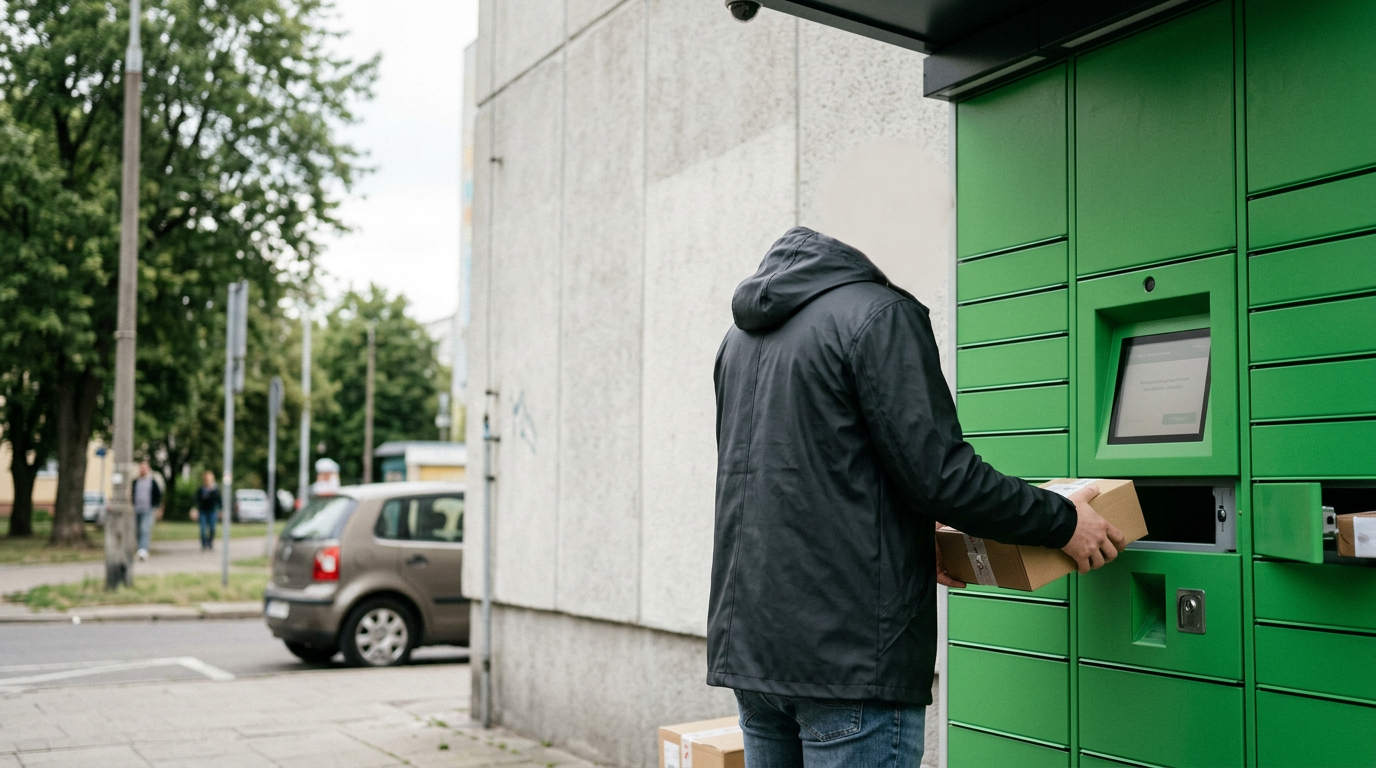
Nova Poshta Expands in Poland: 8500 Postomats by 2026
Nova Poshta plans to significantly expand its parcel locker network in Poland, aiming for 8,500 postomats by the end of 2026. This expansion will make sending and receiving parcels more accessible across the country.
Ukrainian Refugee Support: Examining Shifts in Polish Sentiment 2026
A recent CBOS survey indicates a notable shift in Polish attitudes towards Ukrainian refugees, with 61% now opposing further admissions. This differs significantly from earlier periods when support was widespread.
Check Driving Penalty Points in Poland: Limits & Actions
In Poland, drivers start with 24 penalty points; new drivers have 20 for the first year. Check your points online via mObywatel or physically at a police station. Accumulating too many points leads to license suspension or revocation.